DFB
Elite Member
- Joined
- Dec 7, 2000
- Messages
- 2,928
- Location
- Southern VT, Southern ME
- Tractor
- John Deere 4100 HST /410 FEL, R4s
Nicely done...looks like the same product we use at the greenhouse for table liners and ground cover. Stuff last forever!

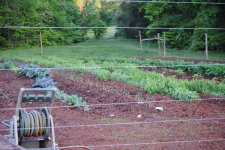
Here in Pa. where I'm at it gets really dry from July 1 thru about Sept. 15th, and always windy(I think that's helping to dry the ground out). I never installed drip irrigation, because we don't have the water supply to do it.I've grown commercially in 3 different states here in New England and never had a moisture retention issues using plastic. University level publication always point out the four major benefits of using plasticulture are warming the soil, weed control, increased crop yield, and moisture retention. Normally and when applied correctly more often than not when I slide my hand between the plastic and the soil it there will be condensation underneath the plastic. Most issues facing those grower using plastic usually lie with timing the condition of the soil when putting it down too dry some times but more often times too wet. Especially in the spring.
It can cause issues for growers in extremly hot climates though. Actually heating the ground temp too much . Researchers are always experimenting with other colors than black, like silver and white to reflect excessive heat and also find different colors seem to increase yields on certain crops.
http://extension.umass.edu/landscape/sites/landscape/files/publications/mulch_colored_plastic.pdf
Of course it is not naturally biodegradble and has to eventually be removed and disposed of somehow. I have tried double cropping on plastic film, planting on the same piece two season in a row. Seems to work ok the only thing is I see with that is there really isnt any other way to improve the current soil fertilization for the new season except by side dressing the rows or a liquid application directly to the planting.
I've been working with plastic in the field since the late 80's. Some of larger units can lay a drip at the same time and some also have built in bed shapers. There are bio degradable roll type mulches available now They cost more than conventional plastic and arent as strong. With my little unit I can lay out 2000 feet of plastic for less than the price of 12 bales of straw.
Organic mulches are terrific mediums for for soil building though. Thats the whole theory behind cover cropping. The biggest problem using straw in a garden I have experienced beyond the expense of course, is it provides a haven for mice and other small rodents. It provideds them a place to hide and they can wreck havoc with ripining crops, especially tomatoes.

I'm always interested in new ways of gardening. I've also been looking at 'container planting', because there are some things that I just can't get to grow in my garden.I always say a well managed home garden can easily outperform a commercial operation. Experience is the best teacher and I look foward to anyone sharing more of theirs.
The older I get the more I lean toward container gardening. There are a couple landscape companies were I can source decent field grade growing containers. When I lived in Maine the soil on the property there was so heavy with clay if it wasnt cold and saturated it dried out and turned as hard as concrete. I was so frustrated trying to farm that had a plan once to set dozens of large pots in the garden just to grow my tomatoes in.
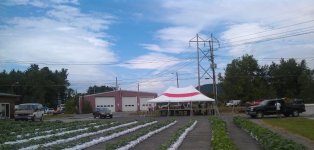
If anybodys interested here's how they do it in the parking lot at the urban storefont the business I now work for maintains.
Nope no weeds
We also do the same thing inside greenhouses with tomatoes
Yes, it is still manufactured. It's listed on one of the sites in my last post. If it isn't covered heavily with mulch, weeds will grow right thru the holes(I've used it also). I've also used the 'fibrous' weed cloth, and the rubberized perforated weed barrier(this stuff was absolutely horrible to remove once the mulch thinned out with age and weeds started coming thru), All must be covered heavily with a mulch of some sort.SCYTHE or Pelargonic acid...the organic herbicide. I have a jug of that around somewhere. Probably the best alternative choice to Gylphosate products
I also experienced similar results with weed block fabrics. Seems like they aren't very water permeable at all. I'm thinking its best application is in landscaping. As a ground fabric under mulched products like ground bark for deep rooted perenial type plants like shrubs and bushes. I have a product in my shed I have never found use for. Its a roll of perforated plastic which has dozens of pinholes (breathable? to let water in?) Wouldn't even know if its still manufactured.