TomSeller
Super Member
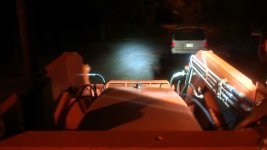
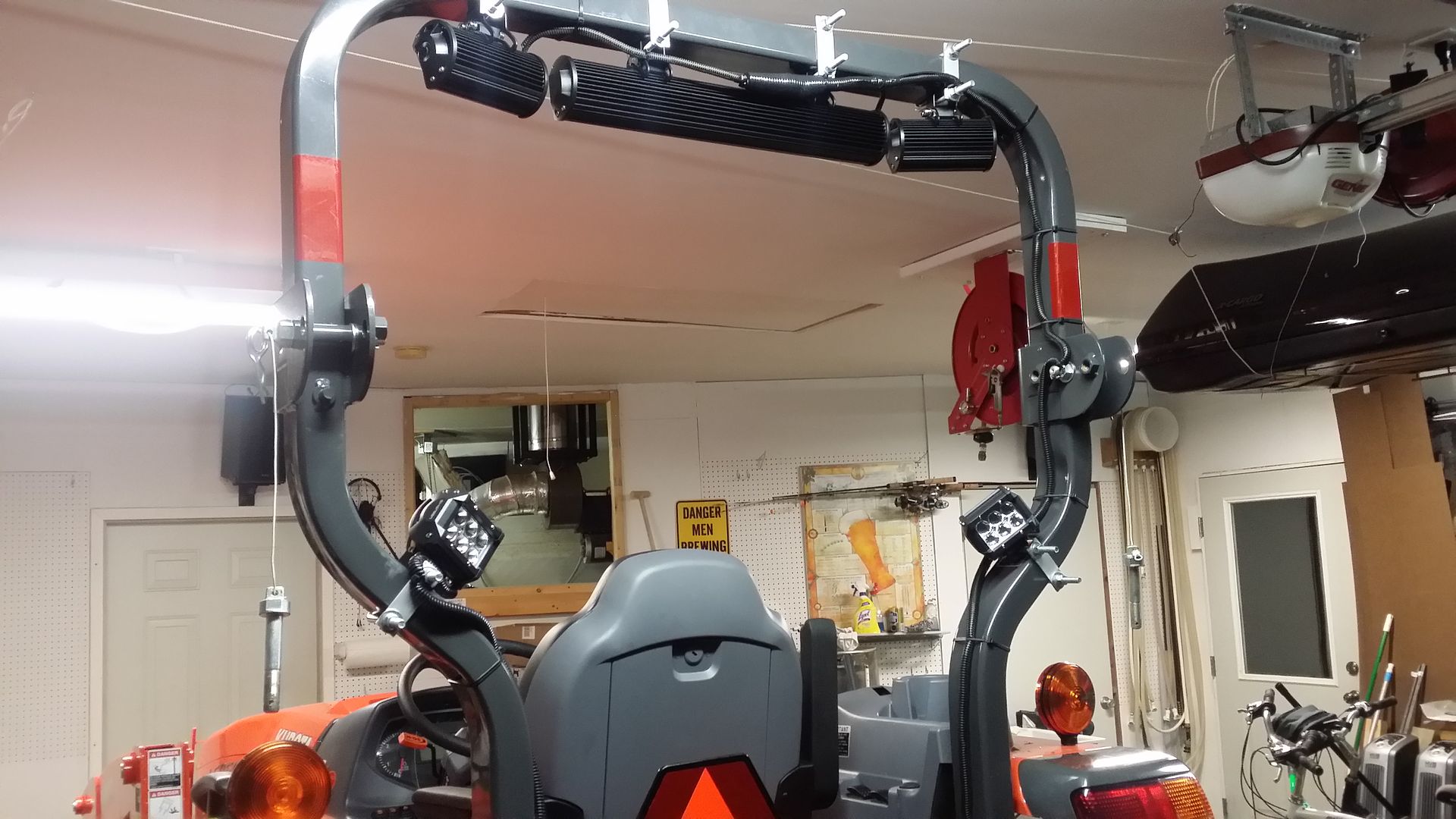
I had to go to the fuse box with the front lights as they drew nearly 25 amps. For the rear lights I tapped into the existing wiring since they only drew 3 amps.
25 is a lot, but I bet those lights work really well.
I had to go to the fuse box with the front lights as they drew nearly 25 amps. For the rear lights I tapped into the existing wiring since they only drew 3 amps.



25 is a lot, but I bet those lights work really well.
I agree that is nice but I am always fearful that a barn cat will turn the dang things on and run down the battery. Has happened several times with the hazards on my old tractor.Love the ability to have the lights on with out engine running for short needs and the key off shutting down the lights.
I like how the light is multi-purpose and you can just bring it with you when you close up the barn.Well....
I too am in need of light to "get the tractor to the barn".
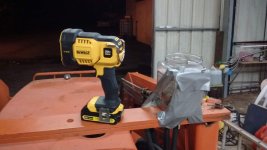
I used a Planters Peanut jar (34.5 ounces), ductape and a flashlight to do a "mock up".
oh sorry I may not have explained it well... unless your cats are good with keys no issue. With key off, the switches are not powered... with key on, whether engine running or not, there is power to them. One mistake I made was to locate them such that they get easily bumped by my knee. But there is not a lot of real estate on the BX25D dash to mount switches so I guess I didn't have much choice. A pain working in cramped space but I am glad I wired to the ignition switch.I agree that is nice but I am always fearful that a barn cat will turn the dang things on and run down the battery. Has happened several times with the hazards on my old tractor.
The majority of toggle switches will handle 10 amps at 12 volts DC.
A few major brand names will go 15 amps.
That is for the normal size vs the mini styles.
With most LED systems I would not hesitate to switch direct DC without using any relays.
I even switched dual 3" halogen spots with a standard toggle.
I'm back!
Let me add (qualify), I was a licensed aircraft electronic technician and have wired many aircraft as well as designed major modifications.
I have totally re wired passenger aircraft, and completely updated private planes to modern standards.
I held FAA and Cdn DOT certificates.
LED's are a great thing.
Easy on charging systems, great output, fantastic longevity and save weight etc etc.
The current draws are so low that you can use just about any size wire with the only drawback being physical strength of that wire size.
With just about any LED installation you could go 22 g and still be OK. but for the demands of the rugged environment a tractor lives in I prefer to stay with 16g mainly for the mechanical characteristics (or min 18g)'

My L4330 has two 25 watt bulbs in front that are blocked by the RR fishplates weights I put on the front weight bar. I plan to replace them with 2 18 wat LED light bars Amazon.com: Signstek 2*18W CREE LED Flood Light Headlight Work Light Lamp off Road High Power ATV Jeep 4x4 Tractor off Road Light Fog Driving Bar Rree Truck SUV Car IP67 Waterproof Dustproof Shockproof (Black): Automotive.
I don't plan to use relays, just disconnect the OEM lights, tie them directly to the LED light bars. Unless I find that Kubota used rediculously small wiring for the headlights that is. Just in case I bought a couple of these when I bought the LED lights, so I'm prepared either way: Amazon.com: Absolute USA 2 In-line ATC Fuse Holder, 2 Relay RLS125 12 VCD Automotive Relay SPDT 30/40A and 2 SRS105 12 VDC 5-Pin Relay Socket: Car Electronics
Good luck!
JC, you helped me out a couple months ago, glad I could at least slightly return the favor!!!
[beer] (or however you do it.....
Amp draw on 12v LEDs is very small. IMO no relay is needed. I had 6 50w LED flood lights running on a 24v system on my boat wired on one switch with no relay.


Amp draw on 12v LEDs is very small. IMO no relay is needed. I had 6 50w LED flood lights running on a 24v system on my boat wired on one switch with no relay.

Watts / Volts = Amps
72 / 12 = 6
36 / 12 = 3
So with all of the lights you are looking at you will only be at 12 amps. The switch will handle it just fine. Now the trick will be finding a circuit on the vehicle that will handle the extra draw.
I like to take the draw back to the fuse box where you might be able to tap into an empty lug on the switched side of the box. Mind you, I'm not tapping into a fused circuit, I'm going to the main bus bar. The new line needs an in-line fuse.
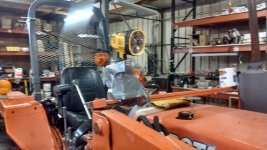
I used these switches on my tractor light install. I had to go to the fuse box with the front lights as they drew nearly 25 amps. For the rear lights I tapped into the existing wiring since they only drew 3 amps.

This is a good point. DC systems have significant voltage drop as length of run increases. There are charts available to help calculate. I use a book on marine DC wiring.//
A 70 watt LED light bar draws 5.8 amps (70 watts/12 volts). A 5.8 amp circuit should use 14 gauge wire up to 10' to 15' wire length. If the wire run is longer you should use 12 gauge wire. Two 70 watt light bars and you should use at least 12 gauge wire up to about 15' of wire. These recommendations vary slightly depending on the source, but you can see that just because it's an LED does not make current draw and wire size insignificant.