QRTRHRS
Elite Member
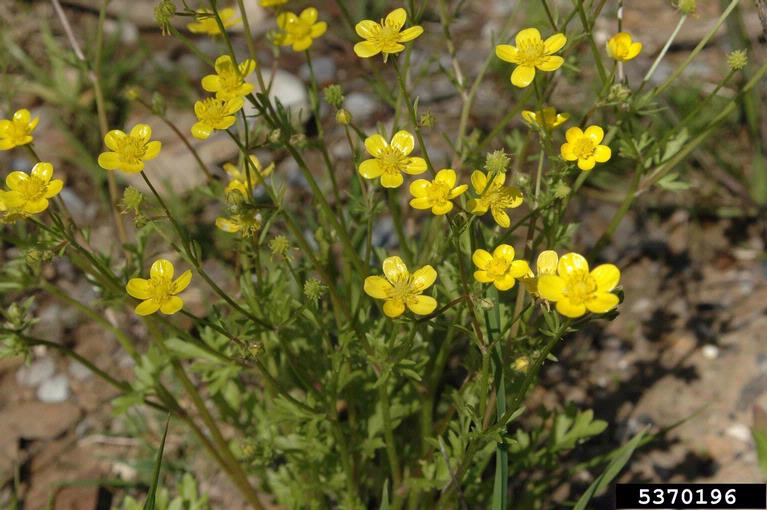
The buttercups are starting to show up in my pastures. I have plenty of fields to rotate my horses while I try to kill them off by spot spraying them. Any suggestions on an over the counter herbicide?

 grazer.ca.uky.edu

Sorry, I didn't quite have the name right. "Grandpa's weeder"Ponytug, what is a "grandpa's puller”?

 grampasweeder.com
Interesting! We are getting rain today. As soon as it dries out, I will try some. If our normal household vinegar does not do the trick then I will seek out a higher concentration.
I think that I may have seen the device that you are talking about. A previous property had a few buttercups. When the ground was wet, I pulled some out but they always came back. The current place has a few more. Nothing like an Amish owned place that I looked at once. Almost solid yellow and they had horses on it!Sorry, I didn't quite have the name right. "Grandpa's weeder"
Basically, you stab it at the center of the weed by stepping on a small foot bar, pivot the handle which crimps the weed and pops it out of the ground. Not much survives the treatment, but it can be a fair amount of work. I used one extensively to get rid of poison hemlock here, after first steaming most of it to death with a propane torch after a rain, while the plants were wet. It laughed at Roundup, and sprouted again the next year.
Grampa's Weeder - The Original Stand Up Weed Remover
Remove weeds & their roots without bending, pulling, kneeling, or use of chemicals. Click now for the best weed puller that's been around for over 105 years!
@1 Old Man the 14 day number above is the 2,4-D half life. Some of the decomposition products and modified forms have much longer half lives. It does get a lot of grief for being similar to 2,4,5-T (Agent Orange was a mixture of the two), but I think the data isn't 100% clear cut one way or the other.
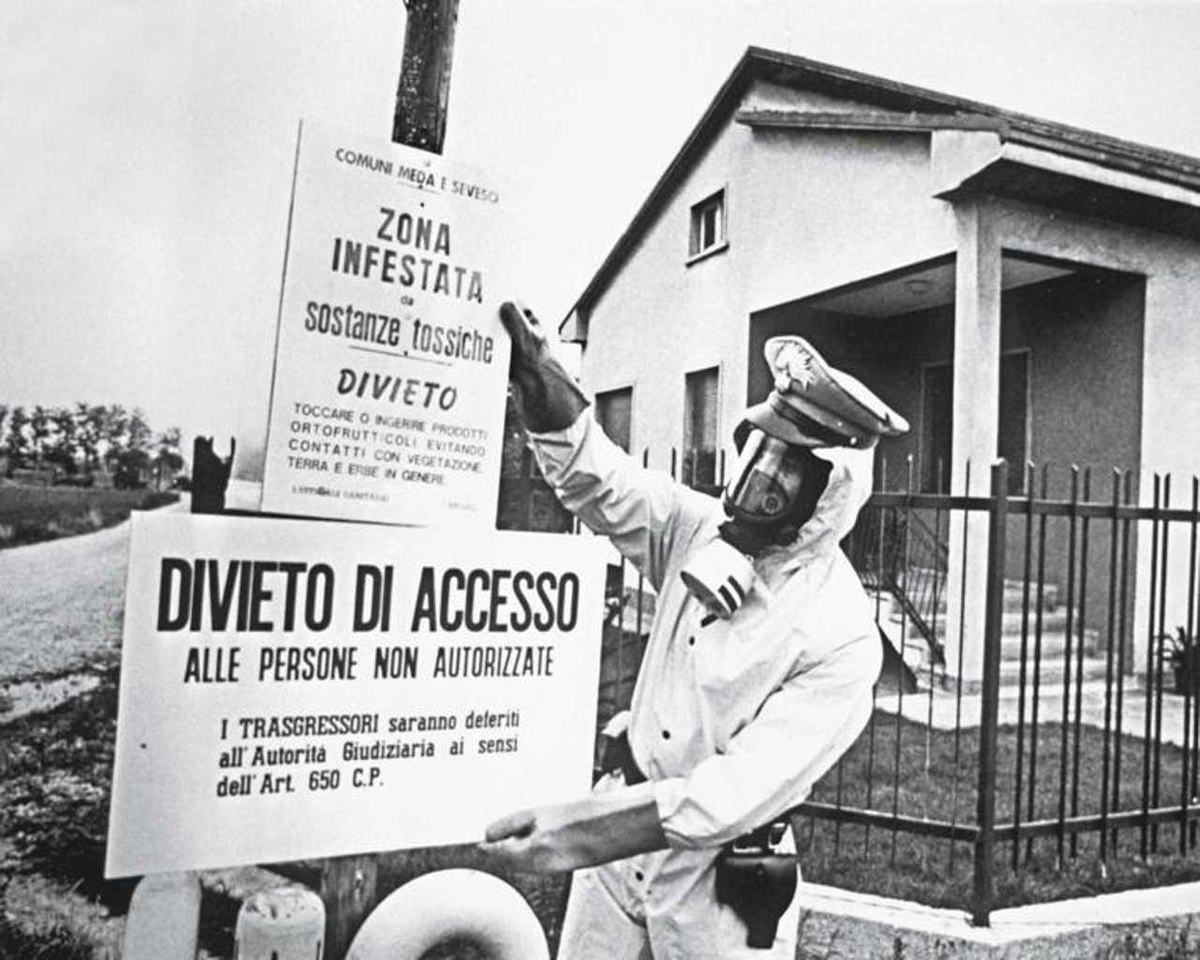
Having worked on 2,4,5-T toxicity, I personally steer clear of both, but I do know that human and rodent sensitivities are quite different, as the Seveso disaster taught the world.
Seveso disaster - Wikipedia
en.wikipedia.org
All the best,
Peter
Do you follow Kentucky Equine Research much? I think that they are a good group with lots of resources. We have found them quite knowledgeable in equine nutrition and metabolism.I think that I may have seen the device that you are talking about. A previous property had a few buttercups. When the ground was wet, I pulled some out but they always came back. The current place has a few more. Nothing like an Amish owned place that I looked at once. Almost solid yellow and they had horses on it!
My bet is that they would graze around the butter cups if they have other forage. If you go the vinegar route, I am sure that they would leave it alone. Arabians tend to be pretty savvy, but there are exceptions to every rule. We've dealt with a few with Cushing over the years.I no longer have or need a lot of pasture. We only have about 3 acres in grass, hardly enough to need more than a mower to maintain. I just want to keep the buttercups from spreading. We are on a narrow ridge so the soil does drain well.
Also, we are down to three horses, all Arabians actually. One has PPID (cushings). Her half brother while not diagnosed will get a cresty neck if grazed too much. So, they only get maybe an hour a day while I clean, otherwise they are on dry lots. All three are 24 this year. Our quarter horses have gone on to the great pasture.
The third, a ~1200 lb gelding can eat all he wants but he is too bonded to put him out alone.