Getting a whole house genny installed...

/ Getting a whole house genny installed...
  • Thread Starter
#41  
Great to see the install pics -- looks like very good work all the way around. It's amazing how much goes into it (for anyone contemplating generators when building a new house, some of the wiring/prepping can be done ahead of time to greatly simplify things later on).

Do you happen to know what size wire they used from the generator to the transfer switch? I assume the generator is basically providing 100A service?

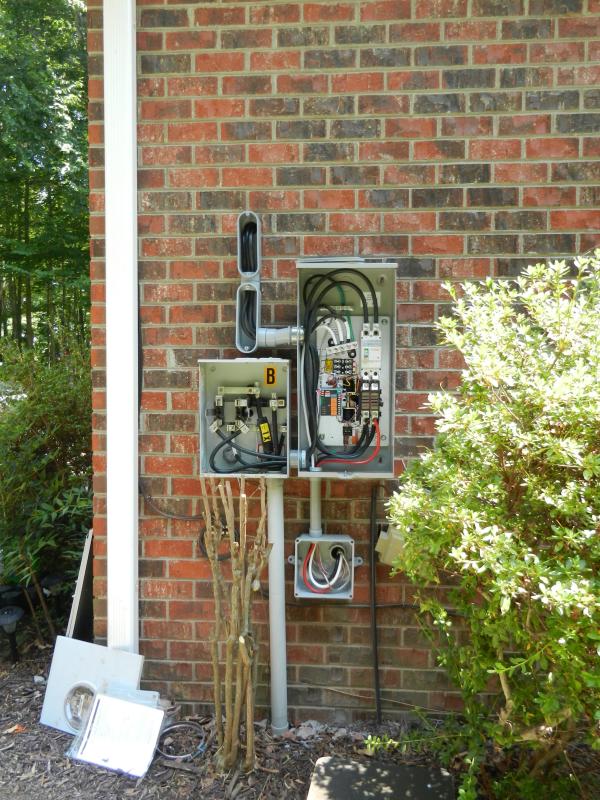
The feedline from generator to switch looks to be 3/c 1 awg + 1/c 3 awg. I assume 2 hots 1 neutral (1awg) & 1 ground(3awg). There are also a couple of other cables, 1 looks to be romex for the convenience outlet on the genny (& battery tender?), the other a control line cable.

Nick
 
/ Getting a whole house genny installed...
  • Thread Starter
#42  
Thanks for the pics. Your condenser for your heat pump could sure use a cleaning.:)

Actually it is pretty clean. The fins got moved a bit by ice over the years making various portions present slightly different angles even though not flattened enough to block air flow. Light hits those areas in different ways, sometimes showing the gap between fins & sometimes the upper edge of fins.

Nick
 
/ Getting a whole house genny installed... #43  
The feedline from generator to switch looks to be 3/c 1 awg + 1/c 3 awg. I assume 2 hots 1 neutral (1awg) & 1 ground(3awg). There are also a couple of other cables, 1 looks to be romex for the convenience outlet on the genny (& battery tender?), the other a control line cable.

Nick

I think normally they use 2-2-2-4 (alum) for a 100A generator run, but because of distance probably bumped you up to 1-1-1-3. I had to run a bit farther than that, and bumped up to 1/0 wiring.
 
/ Getting a whole house genny installed... #44  
If both are liquid-cooled (the only way diesels come) then the cost is very similar. So if you look at one of the Generac liquid-cooled propane/NG units, it will be right in the ballpark of a diesel -- about $7500-8500 for a 21kW size unit.

It's only when you go to the air-cooled Generacs that the price drops quite a bit, down into the $3500-4500 range.

I believe the air-cooled Generacs have a much shorter service life, so you'd have to do the math on costs/lifetime/etc to figure out the best value.
Ive service loads of 10-12 year old air cooled units that fire up in seconds and run strong. Maintenance is the key issue. Ive had some techs tell me the liquid cooled have more parts that fail so they fonsider irpt a wash. I was tempted to go with liquid cooled 22, but could not justify an additional $4,500. My okd air fooled is now 20 years old and still running.
 
/ Getting a whole house genny installed... #45  
I think normally they use 2-2-2-4 (alum) for a 100A generator run, but because of distance probably bumped you up to 1-1-1-3. I had to run a bit farther than that, and bumped up to 1/0 wiring.
ill use 1/0 alum SER cabels if run indoors with a 14/2/2 and a 14/3 control wire combo, but when i go outdoors i use a special tray wire that had (3) #3, (1) #1 copper feeders and 6 - 18 guage control wires in an outdoor rated direct burial sheath. I get it thru generac, and its spendy stuff. But makes for a clean and easy install. It just glides thru 1-1/4" pvc pipe like butter.
 
/ Getting a whole house genny installed... #46  
Without medical imperative, a whole house auto-magic generator is only a money pit.

consider becoming familiar with the tranquillity of a temporary power outage.

A couple of Aladdin lamps and a wood stove go a long way towards necessary creature comforts.
At least I have come to appreciate the difference over the years.
Yeah my current set up is a 3K Honda with a mechanical interlock. Would be nice to have an auto system when the wifey is home alone... I travel a lot on business and she isn't so keen on breakers and the service panel though.

Those of us on wells sure like having it work..

Exactly why I am considering a 'whole house automatic'. We share a well with our 80+ year old widow neighbor and since her husbands death I have left the A/B switch on to our house power. We used to alternate yearly. Nice to have water during the outages... now we stock some for emergencies but this isn't ideal for sure.

-----------------------------------------------------------------------
continued:


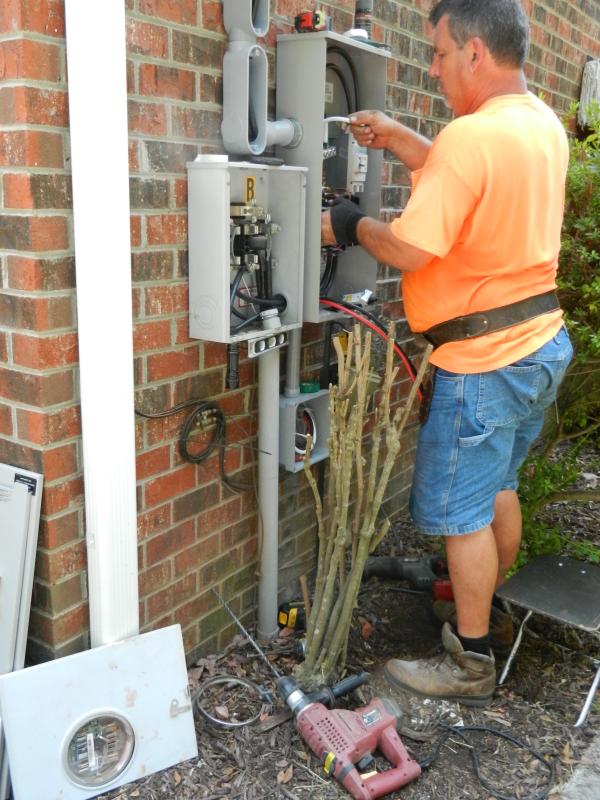
Connections are made in the switch.

GEN-mtr-7.jpg


GEN-mtr-8.jpg


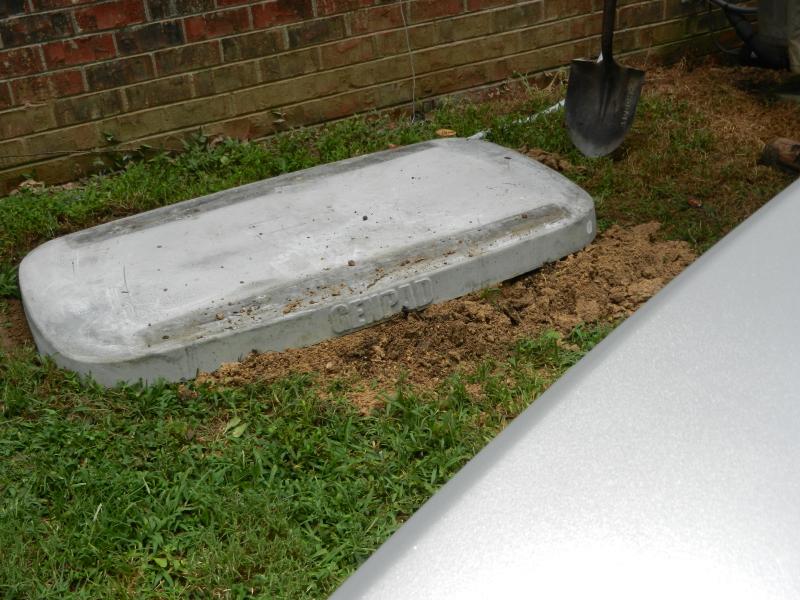
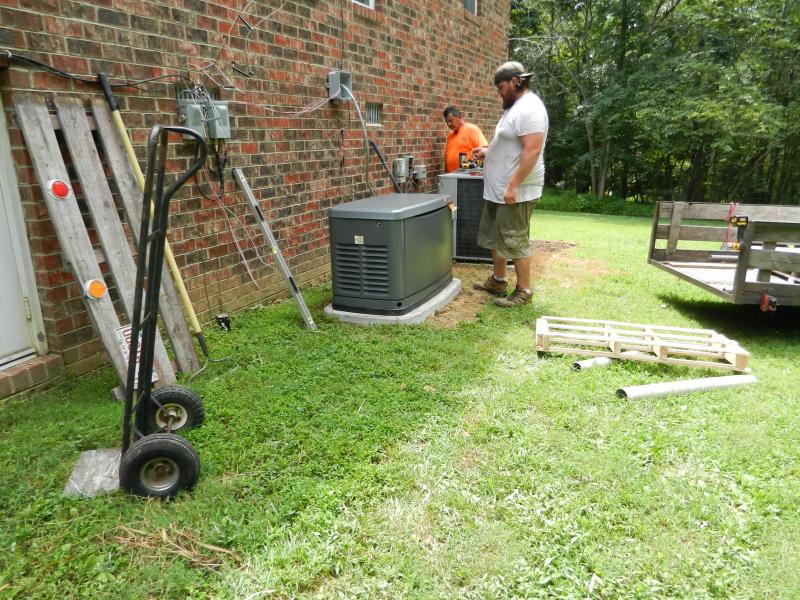
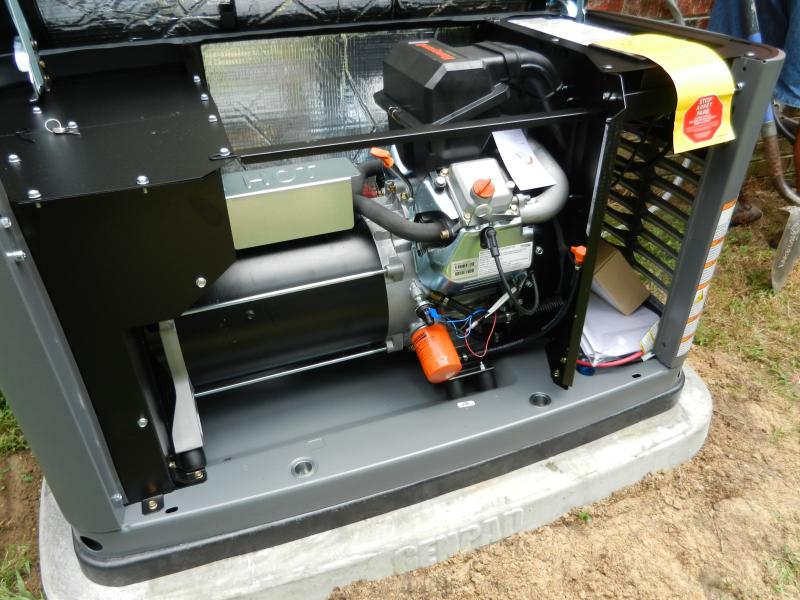
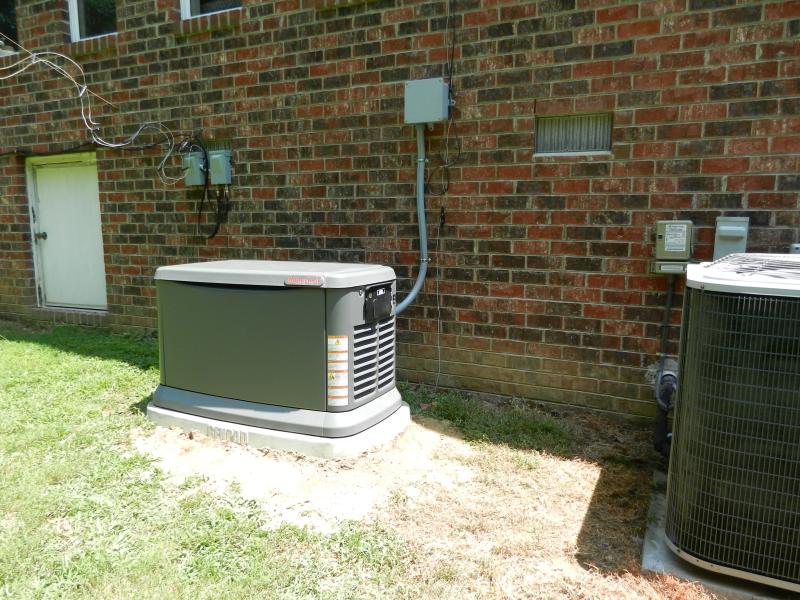
A cement pad was placed at the install location, then the generator.

GEN-gen-8.jpg


GEN-gen-9.jpg


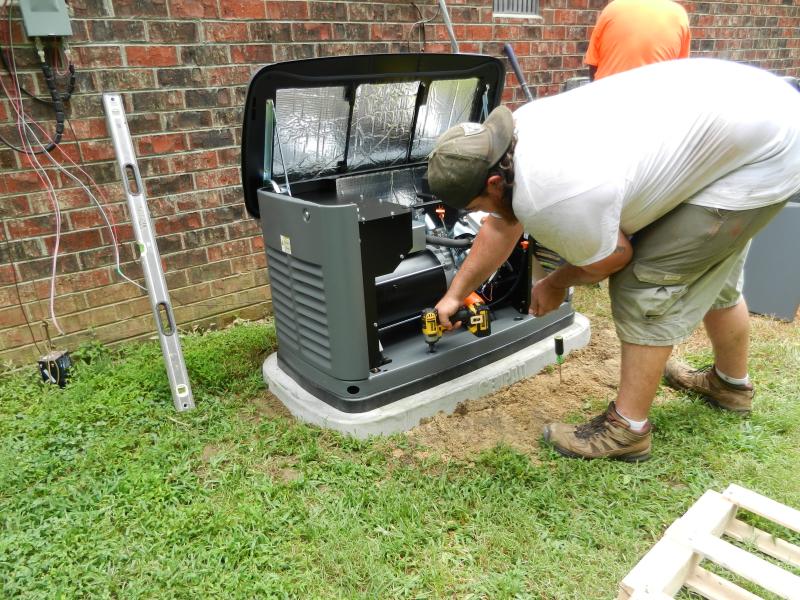
The generator was secured to the pad

GEN-gen-13.jpg


GEN-gen-14.jpg


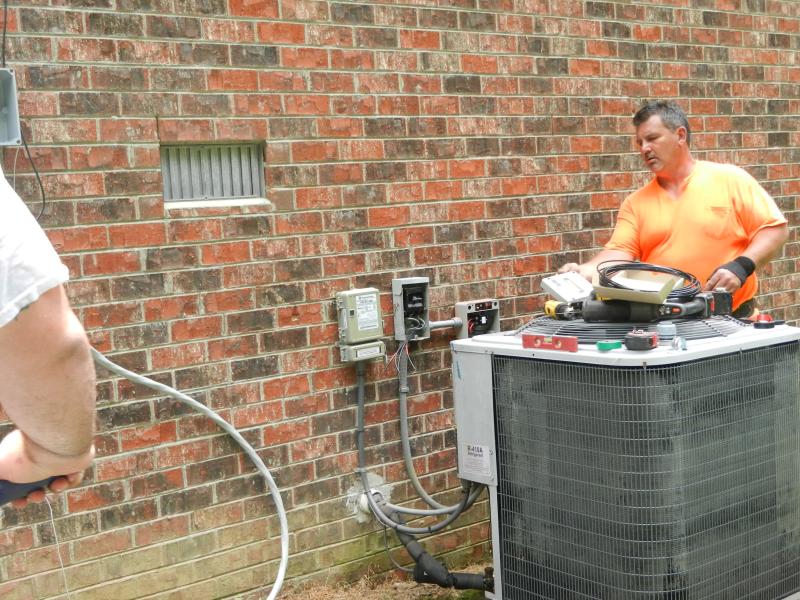
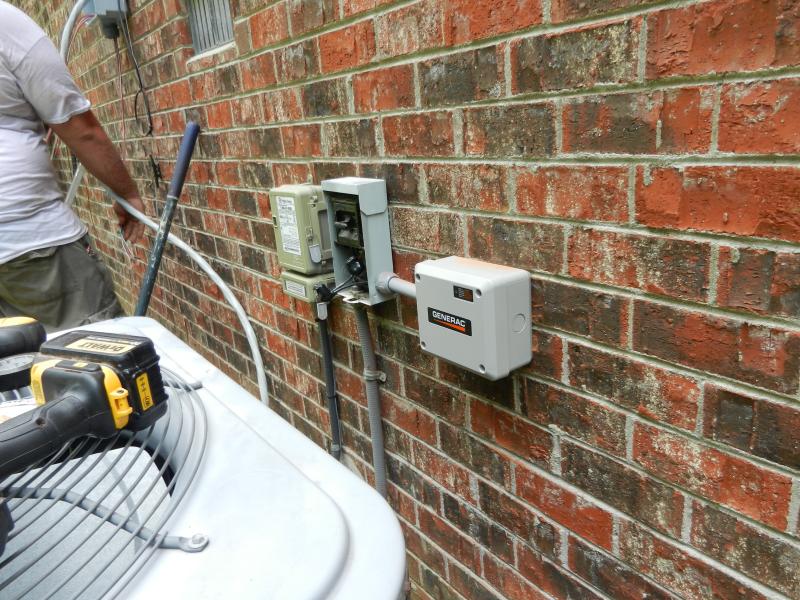
A load management module was fitted to the feed for the 5 ton heat pump.


GEN-gen11.jpg


GEN-gen-12.jpg


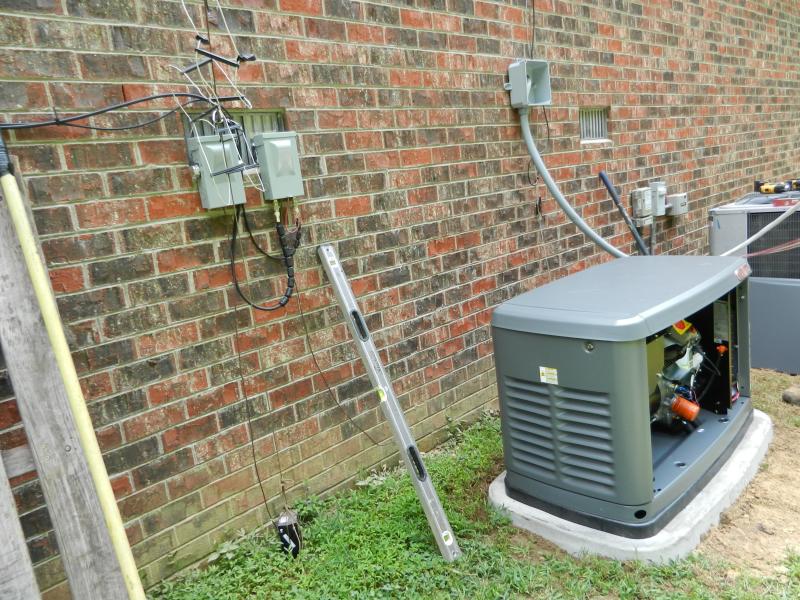
Conduit was installed to fit between generator & pass through.

GEN-gen-10.jpg


All done & waiting for the electrical inspector - propane will be the next phase.


GEN-gen-15.jpg


GEN-mtr-9.jpg

Thanks for all the pics. I will probably settle on a bit smaller system as I have a 250gal LP tank and we don't usually lose power for more than a day... just want to also power the well!
 
/ Getting a whole house genny installed...
  • Thread Starter
#47  
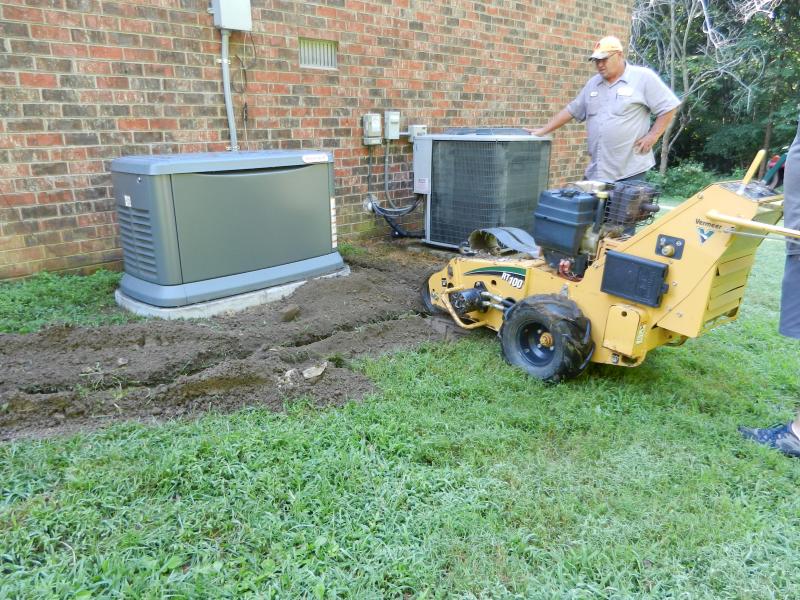
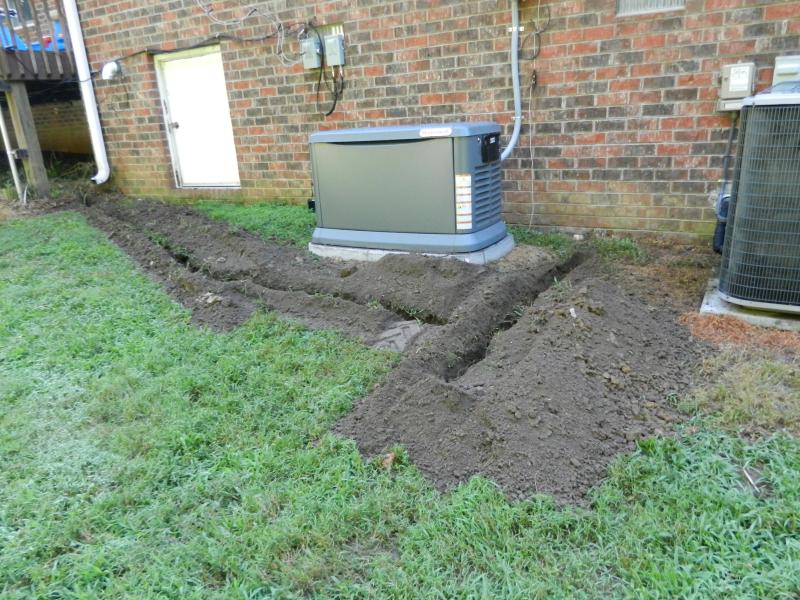
OK, phase 2(a). The propane folks came out to start their portion of the install. Step one is to get the new line run from the existing line to the generator supply location. Once it is in place, it gets presurized, then nothing more until the inspector signs off.

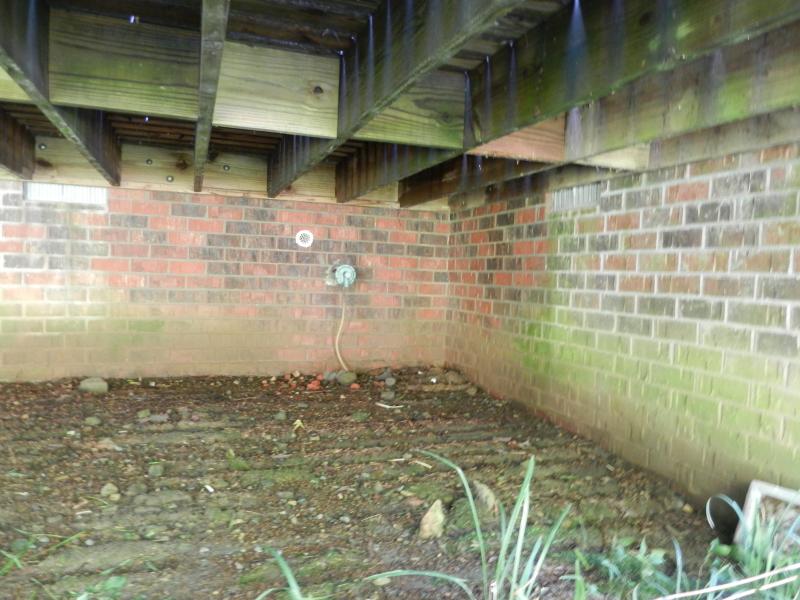
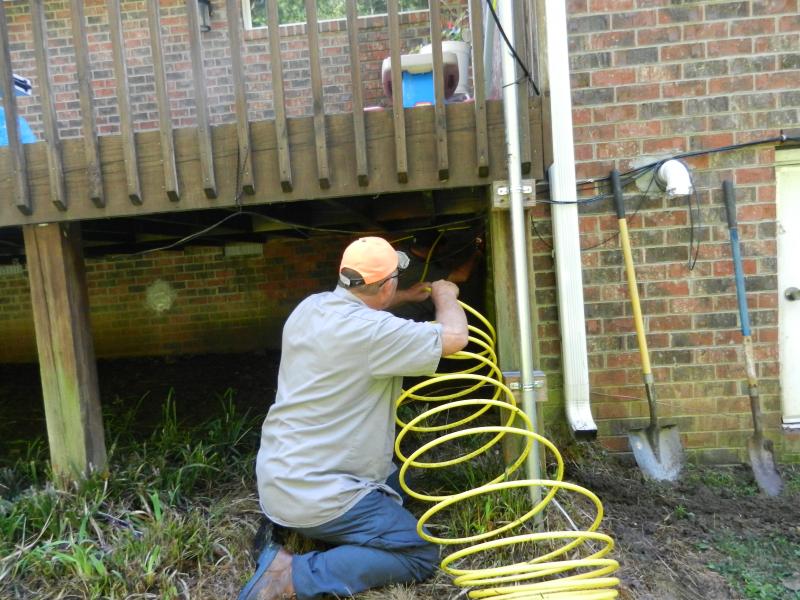
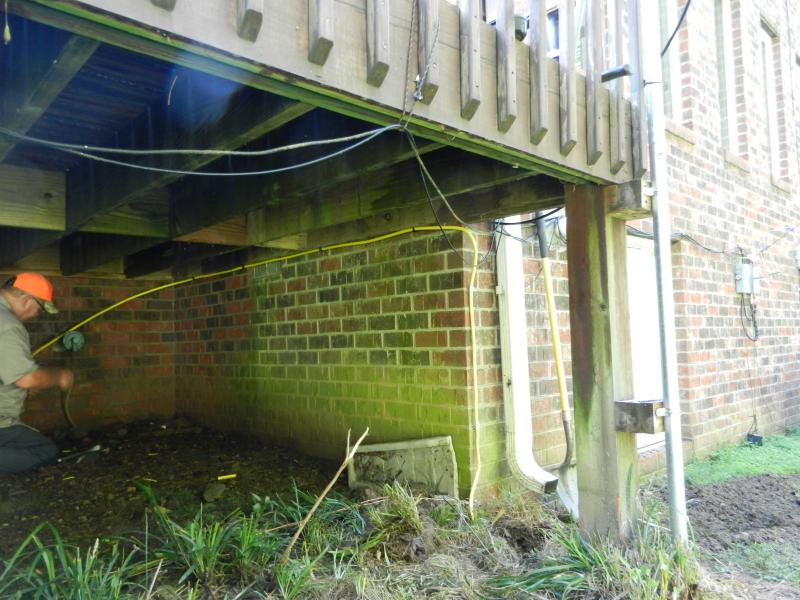
The existing supply to the house terminates against the foundation wall under the deck. The plan was to route the new line around the deck sill perimeter, then go underground from the corner to the generator location.


Existing line.

GEN-gas-4.jpg


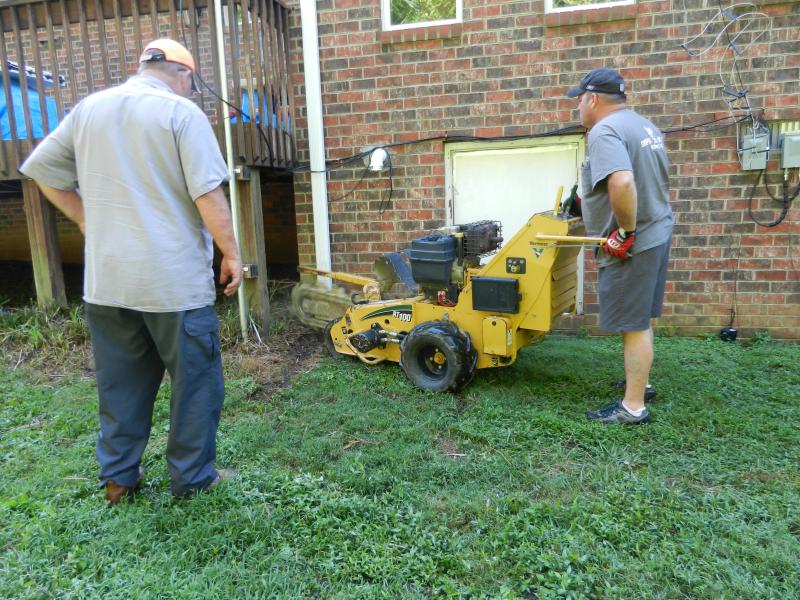
Trenching for the line.

GEN-gas-1.jpg


GEN-gas-2.jpg


GEN-gas-3.jpg


The new line gets laid out...

GEN-gas-5.jpg


and secured to the deck sill.

GEN-gas-6.jpg


With the line in the trench to the generator, both ends of the line get flared, then they cap the source end and attach a pressure gauge to the delivery end.

GEN-gas-7.jpg
.

The line is pressurized to about 60 lb. and now things wait for the inspector to come by...

GEN-gas-10.jpg


[to be continued after the inspector visits]


Nick
 
/ Getting a whole house genny installed... #48  
Please expand on this point.

Steve

Apparently I stand corrected and I made a mistake.

I need to go back through my manuals on what I was thinking.

I don't mean to sound negative, but honestly, with the manufacturere classes I've taken for certification, the return on investment isn't there. But, it's a comfort level your paying for, and I understand that.
 
/ Getting a whole house genny installed...
  • Thread Starter
#49  
<crickets>
still waiting on mechanicals inspector...
<crickets>

Nick
 
/ Getting a whole house genny installed...
  • Thread Starter
#51  
Is there a ground rod out at the generator ? Could be an opportunity to burry a ground plate
Actually, there is an 8' rod sunk right behind it I put in for my ham stuff and bonded to the service entrance ground. They didn't do one themselves, the only ground connection on the generator is the 3 awg aluminum conducter going back to the switch panel by the meter.

Nick
 
/ Getting a whole house genny installed... #52  
Actually, there is an 8' rod sunk right behind it I put in for my ham stuff and bonded to the service entrance ground. They didn't do one themselves, the only ground connection on the generator is the 3 awg aluminum conducter going back to the switch panel by the meter.

Nick

VE3THO
 
/ Getting a whole house genny installed...
  • Thread Starter
#53  
KK4WMX :)
 
/ Getting a whole house genny installed... #54  
Very cool.

Nothing like watching the power go out all around you, and you just kick back and continue where you left off.

~Moses
 
/ Getting a whole house genny installed... #55  
Dont put separate ground rod on generator
 
/ Getting a whole house genny installed... #57  
Wouldn't that cause a ground loop? or potential for one?
yes, issues with multiple sources of ground and ground potential. Also UL Standard 2200, Section 18.1.6 requires that a terminal for the connection of a grounding electrode conductor must be provided on any UL listed generator. In the past, Generac provided a lug on the outside of the enclosure to serve this purpose. In 2014, Generac redesigned the connection shelf in the air-cooled generator. The redesign now allows for the connection of a grounding electrode conductor and the system bonding jumper between the equipment ground bar and neutral terminal bar. By permitting these terminals to be installed inside of the generator enclosure, UL allows the removal of the grounding electrode lug on the outside of the enclosure.
Generac optional standby system generators are, by design, floating neutral generators, and are designed to be installed with a transfer switch that has a solid neutral connection to the premises-supplied electrical service and grounding electrode system. This is referred to as a nonseparately derived system. (Refer to Informational Note No. 1 in 250.30 in the NEC.) The equipment grounding conductor that is part of the feeder conductors from the generator to the transfer equipment will ground and bond all of the non-current carrying metal parts of the generator to the grounding electrode system at the electrical service.
Only when the transfer equipment contains a switching action for the grounded (neutral) conductor will a grounding electrode system and system bonding jumper be required to be installed on the generator. This is the definition of a separately derived system, because the generator does not have a direct electrical connection to the premises- supplied electrical service.
 
/ Getting a whole house genny installed... #58  
yes, issues with multiple sources of ground and ground potential. Also UL Standard 2200, Section 18.1.6 requires that a terminal for the connection of a grounding electrode conductor must be provided on any UL listed generator. In the past, Generac provided a lug on the outside of the enclosure to serve this purpose. In 2014, Generac redesigned the connection shelf in the air-cooled generator. The redesign now allows for the connection of a grounding electrode conductor and the system bonding jumper between the equipment ground bar and neutral terminal bar. By permitting these terminals to be installed inside of the generator enclosure, UL allows the removal of the grounding electrode lug on the outside of the enclosure.
Generac optional standby system generators are, by design, floating neutral generators, and are designed to be installed with a transfer switch that has a solid neutral connection to the premises-supplied electrical service and grounding electrode system. This is referred to as a nonseparately derived system. (Refer to Informational Note No. 1 in 250.30 in the NEC.) The equipment grounding conductor that is part of the feeder conductors from the generator to the transfer equipment will ground and bond all of the non-current carrying metal parts of the generator to the grounding electrode system at the electrical service.
Only when the transfer equipment contains a switching action for the grounded (neutral) conductor will a grounding electrode system and system bonding jumper be required to be installed on the generator. This is the definition of a separately derived system, because the generator does not have a direct electrical connection to the premises- supplied electrical service.

I have a 30,000 watt diesel generator hooked up to our power system, and I grounded the generator and fuel tank to the same ground system for the power system (we are off-grid). Should I not have done that? And maybe just bonded the ground / neutral inside of the panel on the generator?
 

Marketplace Items

2020 FORD F-150 XL CREW CAB TRUCK (A59823)
2020 FORD F-150 XL...
Bogballe L20W Plus (A53317)
Bogballe L20W Plus...
Heavy Duty Booster Cables (A59230)
Heavy Duty Booster...
2017 Chevrolet Equinox SUV (A59231)
2017 Chevrolet...
2013 Ford F-450 Mason Dump Truck (A59230)
2013 Ford F-450...
John Deere 855DXUV Gator (A57148)
John Deere 855DXUV...
 
Top