Plumbing Stack Vents

   / Plumbing Stack Vents #1  

Pettrix

Platinum Member
Joined
Jan 17, 2012
Messages
622
Location
High Desert Southwest
I am trying to design a new home that will keep the pests (scorpions, centipedes, crickets, etc) from coming inside the home. Here in AZ, scorpions, crickets, roaches, etc, mostly come in through the bathroom vent fan duct work that exit out the homes roof. I figured out a way to stop that in the new home by having the bathroom vent system all connect to a HRV system and then only have one side vent through the wall with a bug screen. VentZone Central Ventilation (requires flash to view) - iaqsource.com In addition to being a better design, it will also bring in fresh air into the home with the HRV. As this home will be VERY air tight.

Now for the next area, it's bathroom plumbing stack vents. Is it common to have roof rats, bugs or field mice try and enter through those plumbing stack vents? If so, what method can be used to stop them from going inside of those vents?
 
   / Plumbing Stack Vents #2  
Instead of stack vents, install air admit valves. The purpose of the vents is to protect the level of the water in the plumbing traps. The valves do the same.

see here >> Why Use an Air Admittance Valve? | eHow.com
 
   / Plumbing Stack Vents
  • Thread Starter
#4  
Instead of stack vents, install air admit valves. The purpose of the vents is to protect the level of the water in the plumbing traps. The valves do the same.

see here >> Why Use an Air Admittance Valve? | eHow.com

Why is it that most plumbers I talk to really dislike AAV's? I am inclined to believe that it might be a monetary reasoning behind it as AAV's are less expensive to install due to the lack of plumbing pipes and roof penetrations needed with conventional venting systems.

Here is an answer as to WHY:

http://www.nachi.org/forum/f22/good-article-air-admittance-valves-68530/
 
   / Plumbing Stack Vents #5  
...

Now for the next area, it's bathroom plumbing stack vents. Is it common to have roof rats, bugs or field mice try and enter through those plumbing stack vents? If so, what method can be used to stop them from going inside of those vents?

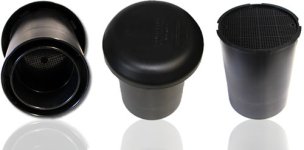
How about a piece of screen held over the vent stacks with a pipe clamp? Simple and cheap. To make it look better you could cut out a end of a cap that would fit over the vent stack and hold the screen in place. I don't have a problem with critters in the vent stack but our combustion air for the wood stove is a 6 inch PVC pipe running from outside the house, under the slab and popping up behind the stove. I took a 6 inch cap, drilled a bunch of holds in it for air flow. Then I put a bunch of screen/wire mesh in the pipe to keep out bugs and put on the cap. Has worked just fine keeping the bugs out but letting air into the house for the stove. Now, if I could just keep the bugs out of the firewood.....

Later,
Dan
 
   / Plumbing Stack Vents #6  
...

Now for the next area, it's bathroom plumbing stack vents. Is it common to have roof rats, bugs or field mice try and enter through those plumbing stack vents? If so, what method can be used to stop them from going inside of those vents?

How about a piece of screen held over the vent stacks with a pipe clamp? Simple and cheap. To make it look better you could cut out a end of a cap that would fit over the vent stack and hold the screen in place. I don't have a problem with critters in the vent stack but our combustion air for the wood stove is a 6 inch PVC pipe running from outside the house, under the slab and popping up behind the stove. I took a 6 inch cap, drilled a bunch of holds in it for air flow. Then I put a bunch of screen/wire mesh in the pipe to keep out bugs and put on the cap. Has worked just fine keeping the bugs out but letting air into the house for the stove. Now, if I could just keep the bugs out of the firewood.....

Later,
Dan
 
   / Plumbing Stack Vents #7  
I Like the screen idea- simple and effective.

I recall being 10 or 12 years old and finding a tree frog swimming in the upstairs toilet on one hot, dry summer day- we later found another frog shriveled up in a window sill. The ends of the tree limbs/leaves just barely touched the roof and the tree frogs were climbing down the humid PVC stinkpipe. I suppose the upstairs toilet stack was the first horizontal "cave" they encountered and they decided to stop off and "explore". It ended up being quite the misadventure for the frogs. The one in the toilet "won" a free trip to the septic tank- but he was a fighter- it took 2 flushes to send him on his way...
 
   / Plumbing Stack Vents
  • Thread Starter
#8  
I read that mosquitoes can make their way into the plumbing stack and lay their larvae in the plumbing water traps that are not used. They can also lay their eggs inside of septic tanks by making their way into the septic vent pipes.
 
   / Plumbing Stack Vents #9  
All of the buildings codes in the nation required vents for plumbing fixtures. The purpose of the vent is to keep sewer gases out of the house and also to help in the draining of water/waste from the fixture. For example, if the house doesn't have any vents, the water/waste would go down the drain but it would gurgle every time because it trying to get air to help it drain itself. It's cheap but effective. You might look at vent caps for RV's to help keep critters out of the vents. Those vents have some sort of screens inside of them to keep bugs out. But no one can build any type of building that can stop 100% of all bugs and small critters out.
 
   / Plumbing Stack Vents #10  
I read that mosquitoes can make their way into the plumbing stack and lay their larvae in the plumbing water traps that are not used. They can also lay their eggs inside of septic tanks by making their way into the septic vent pipes.

I can't imagine that mosquitoes eggs or larvae could survive in a septic system. We use all of our plumbing so having mosquitoes using the traps to lay eggs is not an issue.

Later,
Dan
 
   / Plumbing Stack Vents
  • Thread Starter
#11  
I can't imagine that mosquitoes eggs or larvae could survive in a septic system. We use all of our plumbing so having mosquitoes using the traps to lay eggs is not an issue.

Later,
Dan

Not only can they survive in a septic system but it is a large enough problem that many county codes have remedies to address this issue. Mosquitoes can and will breed in the most disgusting and filth ridden water you can find. Conventional septic systems are basically pools of standing water. There is no oxygen in the system. Septic tanks are the perfect environment for mosquitoes to breed in.

Roof Rats can also make their way through the vent stack and into your home or septic tank. They are excellent swimmers and I've seen it myself, rats showing up in toilet bowls.

According to the CDC: "SEPTIC TANKS can produce hundreds to thousands of mosquitoes each day. These mosquitoes might transmit viruses like dengue or West Nile that can cause serious illness." One source of entry is the vent pipe and the lack of a vent pipe screen. http://www.cdc.gov/dengue/resources/pdfs_edu_trng/septicTank/214629ASepticTankFacSheet508english.pdf

"Mosquitoes were flying down the vent stack, into the septic tank where they were breeding."
 
   / Plumbing Stack Vents #12  
Not only can they survive in a septic system but it is a large enough problem that many county codes have remedies to address this issue. Mosquitoes can and will breed in the most disgusting and filth ridden water you can find. Conventional septic systems are basically pools of standing water. There is no oxygen in the system. Septic tanks are the perfect environment for mosquitoes to breed in.
...

Mosquitoes need air like we do to live. A properly setup septic tank does not have oxygen. You said so yourself. The link seems to be focused on tanks that are not well maintained and maybe not in use. The tank(s) in the photos is also not buried and one of the tanks is built from cinder blocks. The photo of a vent in the link looks to be a vent pipe ON the tank, not a vent stack on the house. I don't see how a mosquito could live in a sealed tank with no breathable air.

Later,
Dan
 
   / Plumbing Stack Vents
  • Thread Starter
#13  
Mosquitoes need air like we do to live. A properly setup septic tank does not have oxygen. You said so yourself. The link seems to be focused on tanks that are not well maintained and maybe not in use. The tank(s) in the photos is also not buried and one of the tanks is built from cinder blocks. The photo of a vent in the link looks to be a vent pipe ON the tank, not a vent stack on the house. I don't see how a mosquito could live in a sealed tank with no breathable air.

Later,
Dan

The septic tank fluid itself is what does not have oxygen. The space above the fluid in the septic tank portion not only has oxygen but is where other gases like methane and hydrogen form (both which can be deadly). So it's the fluid itself that is lacking oxygen.

Per the CDC: "All vent pipes on the house should be covered with window screening and secured with a hose clamp or a plastic cable tie (available at hardware stores). Any vent pipes and inspection ports for your septic leachfield should also be screened. It's easy and inexpensive!"

The vent pipes mentioned are vent pipes on the house. In addition they mention vent pipes on the septic leachfield should also be covered with screen.

Septic Tanks and Mosquitoes - West Nile Virus - Contra Costa Health Services
 
   / Plumbing Stack Vents #14  
KYErik said:
I Like the screen idea- simple and effective.
.

If you live in a climate that has freezing temperatures, you can collect frost that can block the vent.
 
   / Plumbing Stack Vents
  • Thread Starter
#15  
If you live in a climate that has freezing temperatures, you can collect frost that can block the vent.

Interesting to note that. Why would it collect frost?

I figure the vent caps shown here would do better than a bug screen:

PLVF_AnglesSM.jpg
 
   / Plumbing Stack Vents #16  
Pettrix said:
Interesting to note that. Why would it collect frost?

Moist air rising from the pipe condenses on the cold screen. Condensation freezes.

Has to be realy cold though, like single digits.
And too much air flow will keep it from freezing.
 
   / Plumbing Stack Vents #17  
I am trying to design a new home that will keep the pests (scorpions, centipedes, crickets, etc) from coming inside the home. Here in AZ, scorpions, crickets, roaches, etc, mostly come in through the bathroom vent fan duct work that exit out the homes roof. I figured out a way to stop that in the new home by having the bathroom vent system all connect to a HRV system and then only have one side vent through the wall with a bug screen. VentZone Central Ventilation (requires flash to view) - iaqsource.com In addition to being a better design, it will also bring in fresh air into the home with the HRV. As this home will be VERY air tight.

Now for the next area, it's bathroom plumbing stack vents. Is it common to have roof rats, bugs or field mice try and enter through those plumbing stack vents? If so, what method can be used to stop them from going inside of those vents?
If you are designing a new home, why not revent all the vents into one stack(with only one roof penetration). Then use a screen on that one vent(preferably in the back of the roof)?
 
   / Plumbing Stack Vents #18  
It's not believable that a mosquito will travel down 30 to 130 feet of pipe to lay their eggs on an anoxic water source with an atmosphere with not inconsiderable amounts of hydrogen sulfide, methane and other toxic atmospherics.

Sorry, I wouldn't worry about it.
 
   / Plumbing Stack Vents #19  
Skeeters are tough! When West Nile virus showed up in New York/Long Island, they noted that mosquitoes overwinter in subway tunnels. The mosquito would lay its eggs in the septic water, the larva always live in water.

I don't see oxygen being much of an issue. An old tire laying around with warm rain water full of algae in it cannot have much oxygen in the water. I don't know how common it is, but I would think it is possible with the right conditions.
 
   / Plumbing Stack Vents
  • Thread Starter
#20  
If you are designing a new home, why not revent all the vents into one stack(with only one roof penetration). Then use a screen on that one vent(preferably in the back of the roof)?

As far as bathroom vents, they will all connect to a single HRV unit and then vent out the side of the home with a single 6" or 8" vent hole.

Now as far as plumbing vents go, I will try and get the bathroom ones to connect together and exit out the roof with just one stack vent. I might employ some Studor AAV's in areas like the kitchen sink. They are certified and recognized by most codes. I don't buy the argument that because they have a moving part that are unreliable. If one applies that standard then anything in a home that has moving parts including faucets, shower controls, toilet valves, kitchen sink faucets, etc. is unreliable. Engineers have done studies and research on AAV's and they have verified that they work just as well as the old fashioned plumbing stack vents and can work without issues for decades. One just needs to do annual checkup on them and replace the $40 part if they are bad.

So to recap; one single bathroom vent for all the bathrooms and most likely one single plumbing stack vent with a vent cover. Just two protrusions; one roof and one wall.
 

Marketplace Items

8 TOOTHED BUCKET FOR MINI EXCAVATOR (A58214)
8 TOOTHED BUCKET...
12' CONTAINER (A52706)
Unused 2025 CFG Industrial QH12R Mini Excavator (A59228)
Unused 2025 CFG...
2002 Frieghtliner Pressure Digger Truck (A55973)
2002 Frieghtliner...
1992 DFI PULL SPREADER (A57192)
1992 DFI PULL...
2016 KOMATSU D65EX-18 CRAWLER DOZER (A60429)
2016 KOMATSU...
 
Top