You are using an out of date browser. It may not display this or other websites correctly.
You should upgrade or use an alternative browser.
You should upgrade or use an alternative browser.
Chainsaw use - alone
- Thread starter Garandman
- Start date
- Views: 41471
More options
Who Replied?
/ Chainsaw use - alone
#141


Peter 315
Super Member
Just kind of curious what length of bars are most of you guys running?
16'' .........
Skeans1
Platinum Member
20" for 98% where I'm at. I have a 28" but seldom have needed it. I use an 026 Pro for limbing and it has a 20 on it as well. Works fine for limbs under 10". A friend swears by his 18" bars.
Ouch that makes my back hurt just thinking about it with all that bending over.
Skeans1
Platinum Member
I run a Stihl 462 with a 28” lightweight bar. That is the best saw I have ever owned, no doubt.
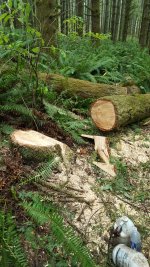
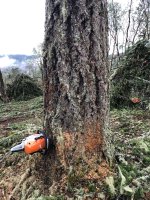
View attachment 649114
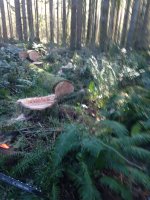
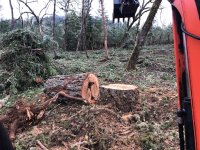
View attachment 649115
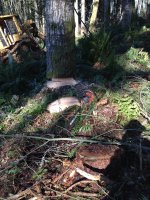
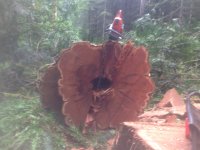
View attachment 649116
Know a few guys that have for production cutting they either love them or hate them I haven’t had time to try one yet. I’ve always ran 32’s as the shortest bar for production work.

ericm979
Super Member
Just kind of curious what length of bars are most of you guys running?
I cut stuff ranging from brush to 5' diameter so I have saws and bars to match.
Two small saws have 16" bars. A midsize saw usually has an 18" but I sometimes use a 24" The big saw runs a 24" or a 32".
BrokenTrack
Veteran Member
- Joined
- Jan 13, 2018
- Messages
- 1,551
- Location
- Maine
- Tractor
- Tractors, Skidders, Bulldozers, Forestry Equipment
I have the dealership pull the 20 inch bars off my saws that they come with, and put 18 inchers on.
I seldom cut trees so big that I have to get on the other side of the tree to buck them up, and if I do have to, I still can cut clear through a 36 inch tree. That is a pretty big tree!
But the biggest reason is fatigue. I am so much less tired operating an 18 inch bar than I am a 20 inch. That two inches makes a world of difference. It amounts to lifting your saw almost 600 feet more per day on a good logging day.
It take about 7 trees to make a cord of wood, which is a twitch of wood behind my skidder.
I cut about 10 cords of wood per day (on a good day)
That equates to 70 trees per day
Assuming there are about 50 whorls per tree
And I have to heft my saw from the bottom of the tree to the top while limbing, that extra 2 inches of bar length equates to 7000 inches
With 12 inches to a foot, that is 583 feet
It is the equivalent of lift your saw one foot, 583 extra times in a day, just from having a 20 inch bar instead of an 18 inch bar.
And that is just limbing! The extra two inches of bar lengths equates to a lot of extra work!
I seldom cut trees so big that I have to get on the other side of the tree to buck them up, and if I do have to, I still can cut clear through a 36 inch tree. That is a pretty big tree!
But the biggest reason is fatigue. I am so much less tired operating an 18 inch bar than I am a 20 inch. That two inches makes a world of difference. It amounts to lifting your saw almost 600 feet more per day on a good logging day.
It take about 7 trees to make a cord of wood, which is a twitch of wood behind my skidder.
I cut about 10 cords of wood per day (on a good day)
That equates to 70 trees per day
Assuming there are about 50 whorls per tree
And I have to heft my saw from the bottom of the tree to the top while limbing, that extra 2 inches of bar length equates to 7000 inches
With 12 inches to a foot, that is 583 feet
It is the equivalent of lift your saw one foot, 583 extra times in a day, just from having a 20 inch bar instead of an 18 inch bar.
And that is just limbing! The extra two inches of bar lengths equates to a lot of extra work!
LD48750
Veteran Member
I have the dealership pull the 20 inch bars off my saws that they come with, and put 18 inchers on.
I seldom cut trees so big that I have to get on the other side of the tree to buck them up, and if I do have to, I still can cut clear through a 36 inch tree. That is a pretty big tree!
But the biggest reason is fatigue. I am so much less tired operating an 18 inch bar than I am a 20 inch. That two inches makes a world of difference. It amounts to lifting your saw almost 600 feet more per day on a good logging day.
It take about 7 trees to make a cord of wood, which is a twitch of wood behind my skidder.
I cut about 10 cords of wood per day (on a good day)
That equates to 70 trees per day
Assuming there are about 50 whorls per tree
And I have to heft my saw from the bottom of the tree to the top while limbing, that extra 2 inches of bar length equates to 7000 inches
With 12 inches to a foot, that is 583 feet
It is the equivalent of lift your saw one foot, 583 extra times in a day, just from having a 20 inch bar instead of an 18 inch bar.
And that is just limbing! The extra two inches of bar lengths equates to a lot of extra work!
But the NOT bending over to do it is worth it.

shooterdon
Super Member
- Joined
- Nov 24, 2012
- Messages
- 5,513
- Tractor
- 2019 LS XR4140 HST Cab; 2025 Moto UForce 1000; 2021 Bad Boy 54" ZT Elite
Just kind of curious what length of bars are most of you guys running?
I have a 16 and 20
Skeans1
Platinum Member
I have the dealership pull the 20 inch bars off my saws that they come with, and put 18 inchers on.
I seldom cut trees so big that I have to get on the other side of the tree to buck them up, and if I do have to, I still can cut clear through a 36 inch tree. That is a pretty big tree!
But the biggest reason is fatigue. I am so much less tired operating an 18 inch bar than I am a 20 inch. That two inches makes a world of difference. It amounts to lifting your saw almost 600 feet more per day on a good logging day.
It take about 7 trees to make a cord of wood, which is a twitch of wood behind my skidder.
I cut about 10 cords of wood per day (on a good day)
That equates to 70 trees per day
Assuming there are about 50 whorls per tree
And I have to heft my saw from the bottom of the tree to the top while limbing, that extra 2 inches of bar length equates to 7000 inches
With 12 inches to a foot, that is 583 feet
It is the equivalent of lift your saw one foot, 583 extra times in a day, just from having a 20 inch bar instead of an 18 inch bar.
And that is just limbing! The extra two inches of bar lengths equates to a lot of extra work!
We limb with 32’s all day without issues on a good day it’s not uncommon to fall, limb and buck around 30,000 bdft of timber. A short bar is slower to limb with, buck with, and fall with I have done plenty of stuff that’s double a 32 over the years wishing I had a longer bar to speed up the process.
BrokenTrack
Veteran Member
- Joined
- Jan 13, 2018
- Messages
- 1,551
- Location
- Maine
- Tractor
- Tractors, Skidders, Bulldozers, Forestry Equipment
But the NOT bending over to do it is worth it.
I have heard that all my life, but that does not match up with my experience. To me it seems it throws off the balance of the saw, and that makes it worse for my back...and what logger alive does not have a bad back?
There are other reasons beyond bad backs however to stick with a shorter bar, like cost, and the amount of filing a person has to do. The latter point is really compounded because with a bar sticking so far out, I found myself hitting things I normally would not. That means filing it more.
If this means anything...on the Stihl Website that is in place to help people chose the right saw for their needs, their first statement is "people buy a much longer bar than what they need." That is pretty profound because Stihl knows saws, and they benefit from selling bigger saws to drive longer bars, but they make it a point to discourage it.
But logging is like any other trade out there; when people do something a lot, they do it certain ways and justify their ways. Who am I to say what works and what does not?
A longer bar's supposed benefits just does not match up with my own logging experience.
Skeans1
Platinum Member
I have heard that all my life, but that does not match up with my experience. To me it seems it throws off the balance of the saw, and that makes it worse for my back...and what logger alive does not have a bad back?
There are other reasons beyond bad backs however to stick with a shorter bar, like cost, and the amount of filing a person has to do. The latter point is really compounded because with a bar sticking so far out, I found myself hitting things I normally would not. That means filing it more.
If this means anything...on the Stihl Website that is in place to help people chose the right saw for their needs, their first statement is "people buy a much longer bar than what they need." That is pretty profound because Stihl knows saws, and they benefit from selling bigger saws to drive longer bars, but they make it a point to discourage it.
But logging is like any other trade out there; when people do something a lot, they do it certain ways and justify their ways. Who am I to say what works and what does not?
A longer bar's supposed benefits just does not match up with my own logging experience.
Just curios how much experience is that? How much of that is in production work? Just a little Fir - YouTube
Motorboatin
Gold Member
My saws and installed bar length
MS201T - 12
MS261 - 16
MS462 - 20
MS660 - 25
The only saw I swap longer bars on is the 660. The other saws started off longer when I bought them but I have settled on what I listed. If I need a longer bar I go with the bigger saw. The 462 can pull the 25 it came with but the 660 does it faster and with less effort
660 with 36" bar

MS201T - 12
MS261 - 16
MS462 - 20
MS660 - 25
The only saw I swap longer bars on is the 660. The other saws started off longer when I bought them but I have settled on what I listed. If I need a longer bar I go with the bigger saw. The 462 can pull the 25 it came with but the 660 does it faster and with less effort
660 with 36" bar
Attachments

s219
Super Member
- Joined
- Dec 7, 2011
- Messages
- 8,607
- Location
- Virginia USA
- Tractor
- Kubota L3200, Deere X380, Kubota RTV-X
I agree that too many people go with a bar that is too long. Many folks are oblivious to balance on a saw, which boggles my mind, because it has a noticeable effect every second you use the saw that will grow into a noticeable load on your body during a day's work. When cutting wood, I am worn out and dog tired at the end of the day even with optimal equipment, so there is no reason to saddle yourself with more weight.
I run a 20" bar on my 60cc saw and it's a good fit. I have owned a 50cc saw that was incredibly nose heavy with a 20" bar and I wouldn't go that route again on that particular saw.
My default bar on my Stihl 461 is a 20", and it has great balance. I also have a 28" bar for the 461 that I rarely use. The standard Stihl 28" bar would have been nose heavy on an already heavy saw. So I spent more money on a Stihl ES light bar. At 28", it has the same net weight and no change in balance over the 20" bar.
So I feel like longer bars are doable, but if you care about weight, balance, and fatigue, you should spend more money on a lightweight bar. And beware, not all lightweight bars are equal. Some are hollow, some use steel, some use titanium, etc. Do research before spending your money! I can vouch that Stihl ES Light bars are good.
I run a 20" bar on my 60cc saw and it's a good fit. I have owned a 50cc saw that was incredibly nose heavy with a 20" bar and I wouldn't go that route again on that particular saw.
My default bar on my Stihl 461 is a 20", and it has great balance. I also have a 28" bar for the 461 that I rarely use. The standard Stihl 28" bar would have been nose heavy on an already heavy saw. So I spent more money on a Stihl ES light bar. At 28", it has the same net weight and no change in balance over the 20" bar.
So I feel like longer bars are doable, but if you care about weight, balance, and fatigue, you should spend more money on a lightweight bar. And beware, not all lightweight bars are equal. Some are hollow, some use steel, some use titanium, etc. Do research before spending your money! I can vouch that Stihl ES Light bars are good.
Skeans1
Platinum Member
I agree that too many people go with a bar that is too long. Many folks are oblivious to balance on a saw, which boggles my mind, because it has a noticeable effect every second you use the saw that will grow into a noticeable load on your body during a day's work. When cutting wood, I am worn out and dog tired at the end of the day even with optimal equipment, so there is no reason to saddle yourself with more weight.
I run a 20" bar on my 60cc saw and it's a good fit. I have owned a 50cc saw that was incredibly nose heavy with a 20" bar and I wouldn't go that route again on that particular saw.
My default bar on my Stihl 461 is a 20", and it has great balance. I also have a 28" bar for the 461 that I rarely use. The standard Stihl 28" bar would have been nose heavy on an already heavy saw. So I spent more money on a Stihl ES light bar. At 28", it has the same net weight and no change in balance over the 20" bar.
So I feel like longer bars are doable, but if you care about weight, balance, and fatigue, you should spend more money on a lightweight bar. And beware, not all lightweight bars are equal. Some are hollow, some use steel, some use titanium, etc. Do research before spending your money! I can vouch that Stihl ES Light bars are good.
It depends on what you’re doing, a slight nose heavy saw is just fine if you’re walking timber to limb and buck. There’s plenty of reasons to run longer bars one is safety it get you away from something coming after you well bucking, falling it will allow a more accurate face and back cut. Here’s the big kicker try some different chain grinds round is slow and wastes power causing you to push which in turn makes you fatigued at the end of a shift.

John_Mc
Elite Member
- Joined
- Aug 11, 2001
- Messages
- 4,785
- Location
- Monkton, Vermont
- Tractor
- NH TC33D Modified with belly pan, limb risers & FOPS. Honda Pioneer 520 & antique Coot UTV
I have heard that all my life, but that does not match up with my experience. To me it seems it throws off the balance of the saw, and that makes it worse for my back...and what logger alive does not have a bad back?
There are other reasons beyond bad backs however to stick with a shorter bar, like cost, and the amount of filing a person has to do. The latter point is really compounded because with a bar sticking so far out, I found myself hitting things I normally would not. That means filing it more.
If this means anything...on the Stihl Website that is in place to help people chose the right saw for their needs, their first statement is "people buy a much longer bar than what they need." That is pretty profound because Stihl knows saws, and they benefit from selling bigger saws to drive longer bars, but they make it a point to discourage it.
But logging is like any other trade out there; when people do something a lot, they do it certain ways and justify their ways. Who am I to say what works and what does not?
A longer bar's supposed benefits just does not match up with my own logging experience.
Agreed. It's one thing to use a long bar when you are cutting big wood. However, using a long bar to avoid bending over is a false economy. In addition to lugging around extra weight that you don't need, you are putting yourself at the wrong end of a long lever, causing yourself more strain. It's also poor body mechanics to bend down to cut in the first place. Bend your legs, not your back (My wife is a physical therapist and is always after me to use good body mechanics -probably because she gets sick of fixing me when I'm broken. Every once in a while, I ask her to come out and watch me cutting wood. She knows nothing about chainsaws or felling trees. However, she knows her stuff when it comes to the human body: she generally spots a bad habit or two that has crept into my work.)
We don't have the size of trees around here that Skeans does, so we don't "walk timber" to limb it. My feet are always on the ground when limbing. I could see that a long bar and a nose heavy saw might be desirable if you were walking on the log.
In my case, light, short and maneuverable is far more desirable than a longer bar. Especially when limbing.
Last edited:
Skeans1
Platinum Member
Agreed. It's one thing to use a long bar when you are cutting big wood. However, using a long bar to avoid bending over is a false economy. In addition to lugging around extra weight that you don't need, you are putting yourself at the wrong end of a long lever, causing yourself more strain. It's also poor body mechanics to bend down to cut in the first place. Bend your legs, not your back (My wife is a physical therapist and is always after me to use good body mechanics -probably because she gets sick of fixing me when I'm broken. Every once in a while, I ask her to come out and watch me cutting wood. She knows nothing about chainsaws or felling trees. However, she knows her stuff when it comes to the human body: she generally spots a bad habit or two that has crept into my work.)
We don't have the size of trees around here that Skeans does, so we don't "walk timber" to limb it. My feet are always on the ground when limbing. I could see that a long bar and a nose heavy saw might be desirable in that case.
In my case, light, short and maneuverable is far more desirable than a longer bar. Especially when limbing.
We walk out all timber here if limbing down to 2” normally the biggest thing is it’s faster as well as you’re looking right down the center of the log for bucking, one thing I should throw in our boots are caulked as well and most of the ground isn’t flat enough to walk on to safely limb. When cutting hardwoods my setup doesn’t change it’s still walking out the timber it’s faster as well as safer.
Woodpeckerlips
New member
- Joined
- Jan 17, 2020
- Messages
- 12
- Tractor
- Ls 3140
I cut down a lot of ash trees by myself a lot of my friends told me not to cut by myself I just tried to be carefull I wanted to get my lot cleared while it was still cold I hate cutting weeds or trees when it's hot out I have a brush cutter on my string trimmer it's like a skill saw blade.i think it's probably the most dangerous tool you can get I fell with it I should have thrown it on the ground but I held it. it got me on my left leg it's been 2 months and it still bothers me it just rubbed me if I had hit a vine I could have bleed out before. I got out of the woods if you get one be carefully with the **** thing.

goeduck
Super Star Member
I cut all the time alone. But with as much property as I have and since trees grow here like weeds, there almost is enough blow downs to get my 6 cord per year plus another 3 to 4 cords I cut for others. So it is less dangerous not falling most of the trees I cut up. But still some danger.
BrokenTrack
Veteran Member
- Joined
- Jan 13, 2018
- Messages
- 1,551
- Location
- Maine
- Tractor
- Tractors, Skidders, Bulldozers, Forestry Equipment
Just curios how much experience is that? How much of that is in production work?
The short answer is...wayyyyyyyyyyyyyyyyyyy too much! (LOL)
All joking aside, it is A LOT.
Skeans1
Platinum Member
The short answer is...wayyyyyyyyyyyyyyyyyyy too much! (LOL)
All joking aside, it is A LOT.
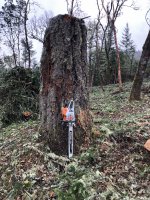
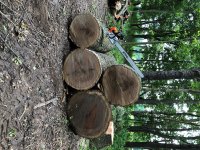
Just throw these out here have you ever seen faces like this?