Garden Implement Basics for the Beginner

/ Garden Implement Basics for the Beginner #21  
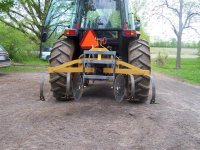
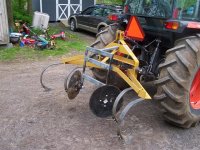
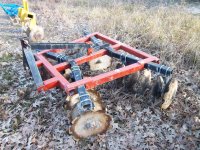
A setup like this, (with the discs mounted correctly, :laughing:) would be the cat's whiskers for hilling 'taters.
 
/ Garden Implement Basics for the Beginner #22  
I have considered the raised bed idea and plowing a larger area but planting a smaller one so that I can manage it better. The images show the general area. I will be clearing the trees and brush along the creek to the right.

This space was completely covered with the invasive Autumn Olive when I bought the property and it's at the lower part of a hillside so hopefully the soil will be okay. It's great to know I must get through the hard pan to create life.

I am a couple of hours from Columbia, MO off the I-44 corridor.

That's beautiful land. What a blessing.
 
/ Garden Implement Basics for the Beginner #24  
This is a 4 acre parcel that is adjacent to my back property. I care for the entire 15 acre tract and the owners are only around a few times year. Great folks.

I have leased this 4 acres, (share cropping arrangement) but we shall see just how much I use this year. Irrigation is the issue. I either have to pump water up from Beaver Creek, which is slightly over the rise on the horizon of these photos, or bang down an irrigation well.
 
/ Garden Implement Basics for the Beginner #25  
About raised bed building,

As you are in the beginning stages of your quest/odyssey;

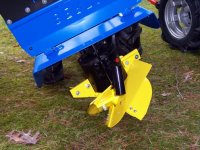
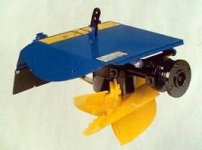
Another bed building option is the Berta rotary plow mounted on a BCS or Grillow 2 wheel tractor as the smallest BCS 8 horse power tractor will dig 12-14 inches deep with the rotary plow.

The entire space could be made into one raised bed for the market garden if desired and have excellent drainage as well.

The Berta rotary plow will till in green manure crops completely and destroy the invasives for you by burying them and destroying any surface vines.


The BCS or Grillo 2 wheel tractor can be used the year round for mowing and snow removal as well as cultivating and planting seed crops if desired

I have provided a link for your use.

www.earthtools.com

You need to narrow your search by creating a decision tree and eventually coming to a conclusion as this is the only prudent fool proof way to make a decision.


The use of flame weeding for organic gardening is a well known practice and I use it, but you cannot use it on the poision ivey oak or sumac as the natural oils will become airborne and enter the mucous membranes of the eye nose or mouth and be fatal.

The use permanent weed fabric for even temporary locations is money well spent an any case as it lasts for many years.

Thses folks are one of the largest resellers of weed fabric and I am very impressewd with its quality of weaving and strength in use.:thumbsup:


How old is your German Shepard pup?
Agricultural Supplies, Fabric Structures, Equine Buildings, Grain Storage, Livestock Buildings from FarmTek
 
/ Garden Implement Basics for the Beginner #26  
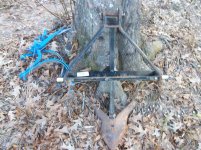
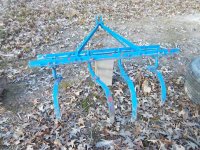
Hey that's MY TRACTOR AND CULTIVATOR! and I know the hillers are on backwards,rookie mistake.........but they work fine..some day I'll cut them off and turn around.
I use a roto-tiller(after plowing), the raised beds make a world of difference.If you are going organic..you may want a walk behind tiller to do between the rows after the plants get too high for the cultivator or heavy mulch between rows.
Hard to think about the garden when is ten degrees out and snowing.
P.S. the hiller is a bolt on,that I built..can be taken off and the two center cultivators reinstalled.
 

Attachments

  • 100_0877 (Small).jpg
    100_0877 (Small).jpg
    82.7 KB · Views: 214
  • 100_0878 (Small).jpg
    100_0878 (Small).jpg
    81.9 KB · Views: 222
/ Garden Implement Basics for the Beginner #27  
Hey that's MY TRACTOR AND CULTIVATOR! and I know the hillers are on backwards,rookie mistake.........but they work fine..some day I'll cut them off and turn around.
I use a roto-tiller(after plowing), the raised beds make a world of difference.If you are going organic..you may want a walk behind tiller to do between the rows after the plants get too high for the cultivator or heavy mulch between rows.
Hard to think about the garden when is ten degrees out and snowing.
P.S. the hiller is a bolt on,that I built..can be taken off and the two center cultivators reinstalled.

nybirdman, hahaha!! Yeah we kinda crossed linked to the other thread. I love your setup!!!

Actually, in the freezing cold, mid January, there isn't anything better to think about. :D
 
/ Garden Implement Basics for the Beginner #28  
Hey that's MY TRACTOR AND CULTIVATOR! and I know the hillers are on backwards,rookie mistake.........but they work fine..some day I'll cut them off and turn around.
I use a roto-tiller(after plowing), the raised beds make a world of difference.If you are going organic..you may want a walk behind tiller to do between the rows after the plants get too high for the cultivator or heavy mulch between rows.
Hard to think about the garden when is ten degrees out and snowing.
P.S. the hiller is a bolt on,that I built..can be taken off and the two center cultivators reinstalled.
Nice setup. It's exactly what I was telling the good people here that I planned on doing(I have the TSC cultivator also).

I stumbled on the thread and posted the link, and bp fick was kind enough to post the pic.:thumbsup:

But since your here, and you've done it............could the discs be put where the front 2 tines were, instead of building the other frame?
 
/ Garden Implement Basics for the Beginner #29  

Attachments

  • berta2.jpg
    berta2.jpg
    56.2 KB · Views: 435
  • berta1.jpg
    berta1.jpg
    7 KB · Views: 198
  • 51838334-3c69-4c56-a83b-45aacd0c5ee3.jpg
    51838334-3c69-4c56-a83b-45aacd0c5ee3.jpg
    64 KB · Views: 216
/ Garden Implement Basics for the Beginner #31  
Three acres is a big organic garden, especially for a beginner. I would get the basics for tilling, a plow and disc or rototiller, worry more about learning about growing plants organically.

It doesn't take much work to get the ground ready to plant. It can be a lot of work if you get some kind of blight or insect that attacks your plants; being new you could loose most of them before you even knew there was a problem, especially if you don't use hybrid seeds that have resistance to a lot of common problems.

Start small, learn the basics of organic gardening, enlarge your garden as you go. I actually would be surprised if you ever decide to use the entire 3 acres unless you intend to sell a LOT of produce, and do a LOT of work.
 
/ Garden Implement Basics for the Beginner #32  
BP--:) I completely agree with the netting/fence... I have done some of that before just not that high.... Again thanks for the posts..

AndyG
 
/ Garden Implement Basics for the Beginner #33  
Welcome to TBN.

I have almost 2 acres, this year, put into organic gardening. Last year, I expanded from a pilot plot to almost an acre.
I just got back from Texas where I put in a 3 acre organic plot for a brother down there, using a tractor similar to your L series Kubota.

The tillers are wonderful, but quite pricey and if you have a few rocks, these can also cause some situations.

There is, basically, two way of tilling the soil to get a seed or/and transplant bed. The old way was to plow/disc if necessary/then pull a "harrow" which is a device with tongs or teeth to complete the dressing of the soil.

The roto tiller potentially compresses those action into one device, by pulling a rotating tined implements through the dirt. Similar to a walk behind roto tiller, except your tractor does the walking and it is powered off you rear PTO. That said, a tiller is a bit slow. Doing 2/3 acres will take some time.

One way isn't right and the other isn't wrong. They are just different.
Frankly, there isn't a lot monetary difference between buying a plow, buying a disk, buying harrow (which can be used as both a field cultivator-harrow or as a one row cultivator once the plants are up) or buying a tiller. But, in my opinion, you'll still need a middle buster to dig potatoes and use a subsoiler to break up the pan a tiller creates and a cultivator in addition to a roto tiller anyhow.

If you really want to start out on the cheap, you can get by with a simple and inexpensive potato plow or middle buster. It just takes more passes, but eventually, one ends up with a similar result as using a turn over share plow.

Take a look at my youtube video I made late last June. Ask any questions and I'll try to be of assistance.
YouTube - Plants2b.mov

bp fick, Exactly how did you plow the ground with the middle buster?
I have a middle buster and a gang disk and was thinking about trying to bust up the ground like you did. Maybe bust the ground up with the middle buster and break up the clods with the disk? I'm brand new to gardening also. The row hipper and cultivator I just purchased and haven't even hooked them up to the tractor yet...
 

Attachments

  • 100_0037.jpg
    100_0037.jpg
    1.1 MB · Views: 250
  • 100_0065.jpg
    100_0065.jpg
    1 MB · Views: 266
  • 100_0023.jpg
    100_0023.jpg
    1.1 MB · Views: 239
  • 100_0035.jpg
    100_0035.jpg
    1.1 MB · Views: 239
/ Garden Implement Basics for the Beginner #34  
bp fick, Exactly how did you plow the ground with the middle buster?
I have a middle buster and a gang disk and was thinking about trying to bust up the ground like you did. Maybe bust the ground up with the middle buster and break up the clods with the disk? I'm brand new to gardening also. The row hipper and cultivator I just purchased and haven't even hooked them up to the tractor yet...

OK, I will share what I do. YMMV. Pix of "before and after" below.

When busting soddy, hasn't-been-worked, ground. I plow at a pretty deep depth. I send the buster down to the shank. On mine, that is about 10".
I put my front wheel in the furrow and go again. Back and forth. Understand, this leaves an unplowed hump in between each furrow. Don't worry about it. I plowed that field shown in Texas in about 3 hours, so that's an acre an hour, but sometimes, you just need a bit more time. A middlebuster can bring a tractor to a stop.

OK, then I would love to have it rain for a good day or 1" of rain on it. Then, I come back and plow the whole thing again, this time plowing the "in-betweens" that were skipped the first time. Now, all of it has been plowed.

NOW, you go after it with your disk. I would recommend on near virgin, soddy soil, that you plow twice before disking.

In the future, you could plow once and your disk will take care of that "in-between" hump, no problems, because you don't have those roots and sod and your soil is nice and so much better now.

Sure, I'd love to stumble on a good turning, share plow, sized right for my tractor. Love to. They are rare as hens teeth around here and priced at a horrendous rate, cause guys can scrap them. My point remains that for $140, a potato plow, middle buster can do the job and you have a tool in your shed that has many other future uses, even if you get a tiller or turning plow one day. It is an answer to the OP's question of basic beginner implements.
 
/ Garden Implement Basics for the Beginner #35  
OK, I will share what I do. YMMV. Pix of "before and after" below.

When busting soddy, hasn't-been-worked, ground. I plow at a pretty deep depth. I send the buster down to the shank. On mine, that is about 10".
I put my front wheel in the furrow and go again. Back and forth. Understand, this leaves an unplowed hump in between each furrow. Don't worry about it. I plowed that field shown in Texas in about 3 hours, so that's an acre an hour, but sometimes, you just need a bit more time. A middlebuster can bring a tractor to a stop.

OK, then I would love to have it rain for a good day or 1" of rain on it. Then, I come back and plow the whole thing again, this time plowing the "in-betweens" that were skipped the first time. Now, all of it has been plowed.

NOW, you go after it with your disk. I would recommend on near virgin, soddy soil, that you plow twice before disking.

In the future, you could plow once and your disk will take care of that "in-between" hump, no problems, because you don't have those roots and sod and your soil is nice and so much better now.

Sure, I'd love to stumble on a good turning, share plow, sized right for my tractor. Love to. They are rare as hens teeth around here and priced at a horrendous rate, cause guys can scrap them. My point remains that for $140, a potato plow, middle buster can do the job and you have a tool in your shed that has many other future uses, even if you get a tiller or turning plow one day. It is an answer to the OP's question of basic beginner implements.

I like it! I like it! Yes, definately gonna try it. I'd love to get a turning plow also- and will eventually, but can't do it right now...

Another question, when do you recommend applying lime pellets or fertilizer? I have an electric seeder that goes on the back of my 4-wheeler that I'll be using to do it with... Should it be done before the ground is plowed, after it's plowed, or do I only put it in the furrow after I make my rows??

Thanks!
 
/ Garden Implement Basics for the Beginner #36  
I like it! I like it! Yes, definately gonna try it. I'd love to get a turning plow also- and will eventually, but can't do it right now...

Another question, when do you recommend applying lime pellets or fertilizer? I have an electric seeder that goes on the back of my 4-wheeler that I'll be using to do it with... Should it be done before the ground is plowed, after it's plowed, or do I only put it in the furrow after I make my rows??

Thanks!

Lucky dog! You got a spreader, eh? Nice! Put your lime on after disking and use your field cultivator to drag it in. It takes 30-40 days to work. I am assuming pellets here. If you use powdered lime, you'd not likely use your spreader. Want to use a drop spreader when using powder.
 
/ Garden Implement Basics for the Beginner #37  
I'm organic, so i don't use chemical fertilizers. I plow in leaves and manure in fall, and I sheet spread manure all winter, right up to March. Then, no more manure, as we have rules about days to harvest when using manure. Summer manure goes on compost pile. Old compost gets spread when ready.
 
/ Garden Implement Basics for the Beginner #38  
Lucky dog! You got a spreader, eh? Nice! Put your lime on after disking and use your field cultivator to drag it in. It takes 30-40 days to work. I am assuming pellets here. If you use powdered lime, you'd not likely use your spreader. Want to use a drop spreader when using powder.

Yeah I use the spreader for deer plots. I've never used it for gardening yet. I've had it for alittle over a year now. Very glad I made the purchase.

I'll take pictures and post them when I start preparing the ground. (hopefully soon!)

Thanks!
 
/ Garden Implement Basics for the Beginner #40  
 

Marketplace Items

UNUSED ATS POWER ATS-MIG-140 MIG WELDING MACHINE (A64281)
UNUSED ATS POWER...
2019 FREIGHTLINER M2 4X2 S/A 26FT NON CDL BOX TRUCK (A59912)
2019 FREIGHTLINER...
17in. Tooth Excavator Bucket (A64194)
17in. Tooth...
2024 Ford F-150 Crew Cab Pickup Truck (A61573)
2024 Ford F-150...
Bell 500 Gallon Saddle Tank (A64119)
Bell 500 Gallon...
2018 Regal 29OBX 29ft Boat with 34ft T/A Boat Trailer (A61569)
2018 Regal 29OBX...
 
Top